Sony A7 V Review: The Hybrid Camera That Finally Delivers for Sony Shooters
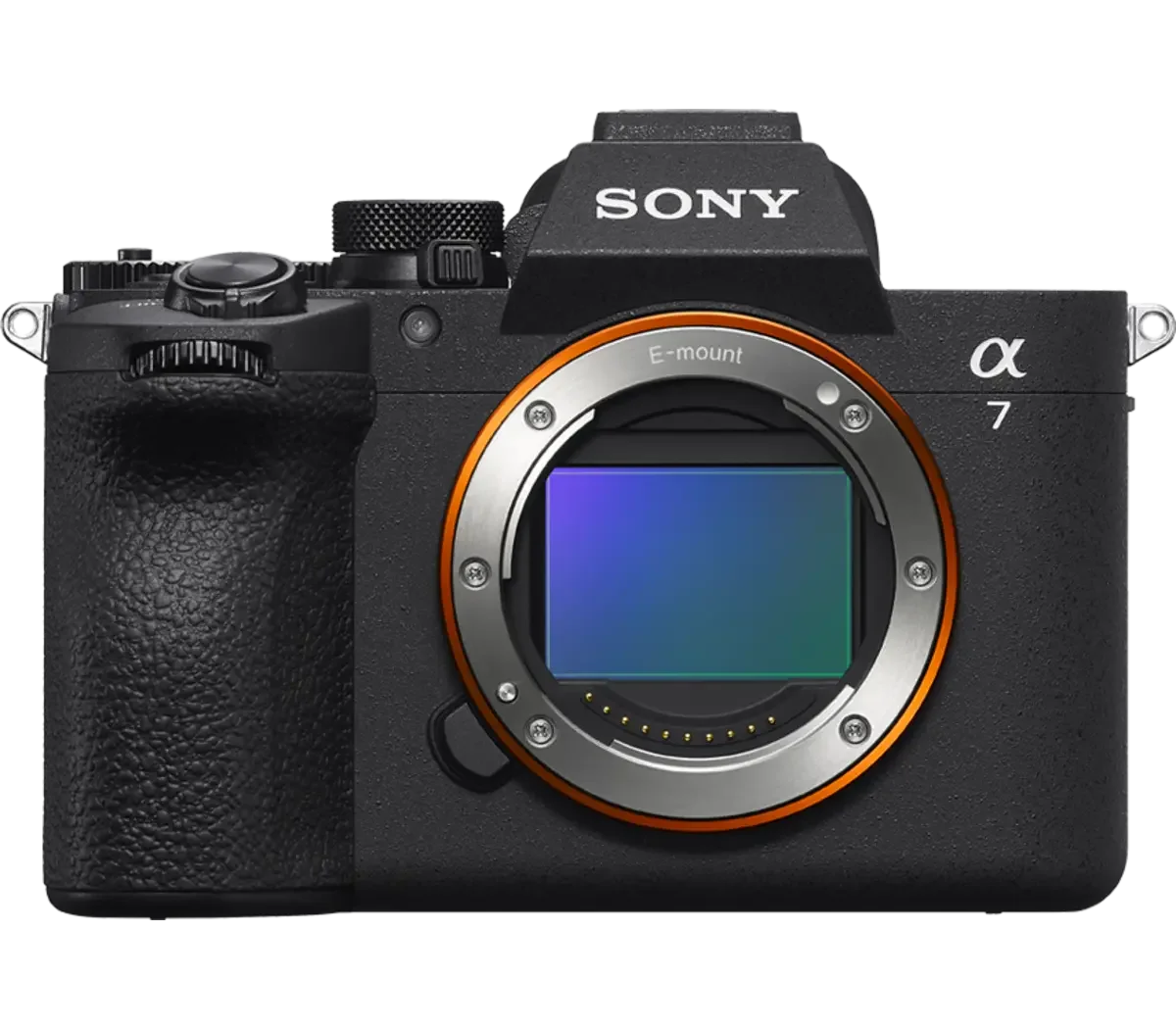
After nearly four years of waiting since the A7 IV's launch, Sony has finally delivered an upgrade that makes a real statement. The Sony A7 V isn't just an incremental refresh—it's a genuine leap forward that addresses nearly every weakness its predecessor had. With a new partially stacked 33MP sensor, integrated AI processing, and impressive video capabilities, this $2,899 camera sits right in the heart of one of the most competitive segments in mirrorless photography.
The real question isn't whether the A7 V is good. It's whether it's good enough to justify its position against the Canon EOS R6 III, Nikon Z6 III, and Panasonic S1 II.
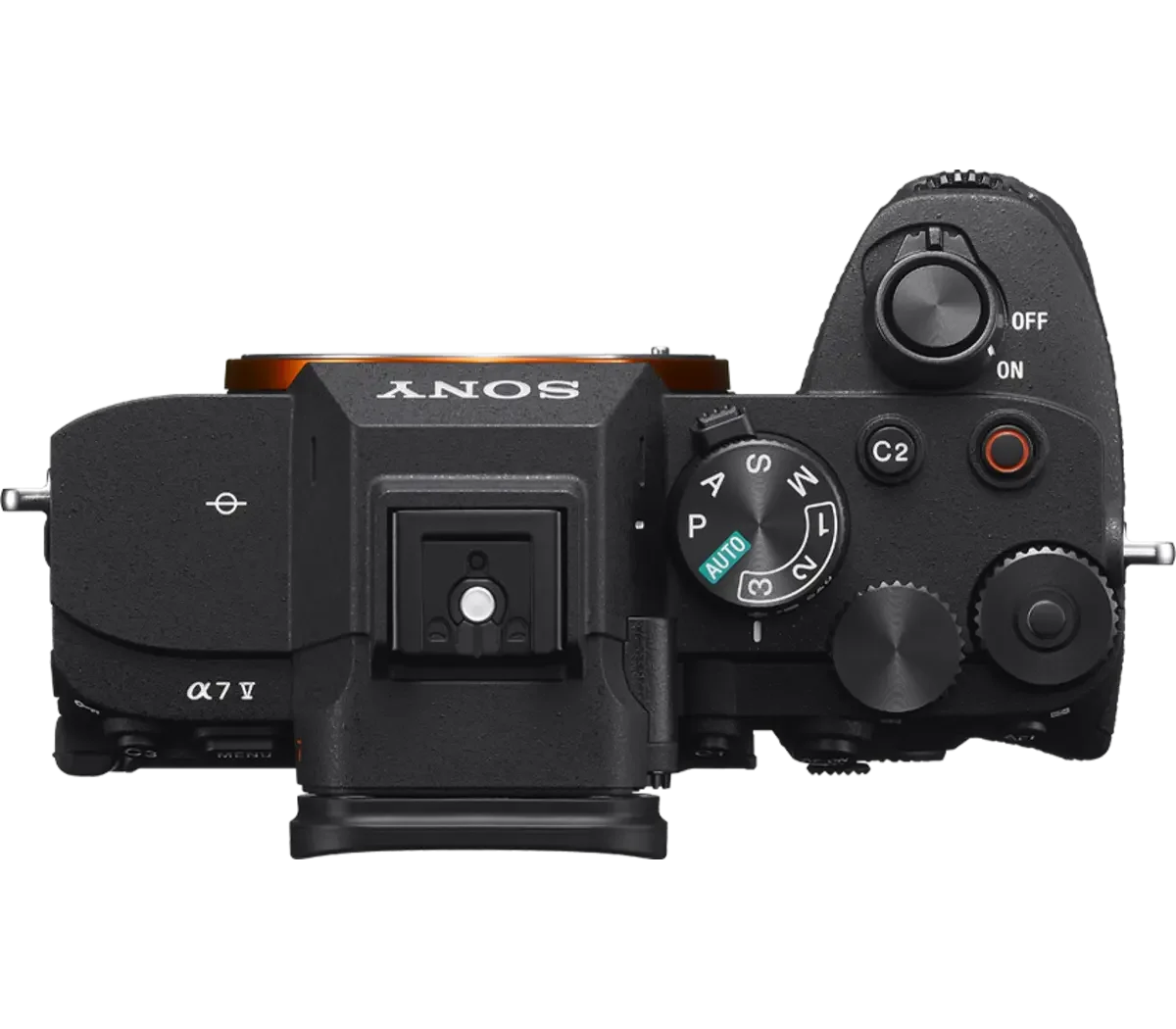
What's New: The Hardware That Matters
A Faster Sensor for a New Era
The headline upgrade is Sony's first "partially stacked" 33MP sensor. While competitors like Nikon and Panasonic have already adopted this technology at 24MP, Sony's move to higher resolution with stacked architecture is significant. The faster readout eliminates one of the A7 IV's most glaring weaknesses: rolling shutter.
The practical upshot? Burst shooting jumps from 10fps to 30fps with full 14-bit RAW readout—no destructive compression required. Video readout speeds are nearly three times faster, which translates to dramatically reduced distortion in 4K footage and the ability to shoot 4K/120p from an APS-C crop.
The Bionz XR2 Processor: AI Gets Serious
For the first time in an A-series camera, Sony has consolidated image processing and AI autofocus onto a single chip. The result is the most advanced subject recognition system Sony has ever packed into a mid-tier body. The camera now recognizes humans (with improved pose estimation), birds, insects, trains, and vehicles—and it does so at 60 autofocus calculations per second.
What impressed us most wasn't just the breadth of subject detection, but the intelligence behind it. The camera tracks faces and bodies with remarkable consistency, even when partially obscured. Sports photographers and videographers will find this particularly valuable.
Stabilization Gets a Bump
IBIS now tops out at 7.5 stops in the center frame, up from 5.5 stops. Combined with the AI-powered autofocus system, this creates a genuinely compelling package for handheld hybrid work.
How It Shoots: Photography Performance
The transition to a partially stacked sensor meant one critical question: would Sony's claim of maintaining dynamic range actually hold up? Our testing confirms it does. The A7 V delivers noticeably better shadow detail and less noise than the A7 IV, even at high ISOs.
The autofocus experience is where the real magic happens. Sony's latest subject detection modes feel effortless to use. Point at a person and the camera locks onto their face; shift to a bird and it pivots instantly. The configurable Auto mode learns what subjects matter in your workflow, reducing the need to constantly switch between detection types.
Face and eye tracking remain among the best in the industry, and the new body and limb detection adds welcome capabilities for action and sports work. We tested tracking through obstacles and with rapidly moving subjects—the A7 V maintained focus consistently where earlier Sony bodies might have hunted.
Mechanical shutter burst rate remains at 10fps, but the electronic shutter's 30fps capability more than compensates for hybrid shooters. Fair warning: there's a subtle quality difference between the two. Mechanical shutter shooting produces cleaner shadow detail, so critical work might warrant the slower speeds.
Video: Where the Improvement Is Most Obvious
The A7 IV was the weak link in Sony's video lineup for years. The A7 V completely changes that narrative.
The faster sensor enables 4K/60p from the full-width sensor (a major improvement) and adds 4K/120p from a Super35 crop. Rolling shutter rates are now comparable to video-optimized cameras, measuring around 15ms for 4K/24—nearly a quarter of what the A7 IV delivered.
Sony's new Auto Framing feature deserves special mention. This AI-driven tool recognizes your subject and crops the frame to follow them around the scene, creating the illusion of a skilled camera operator. It's simple, but genuinely effective for solo content creators.
The Dynamic Active image stabilization mode works well, though there's a substantial crop penalty and Sony still lags behind Panasonic in overall video stabilization prowess. One notable omission: no internal RAW recording, and no option for 6K or 7K recording like you'll find on Canon and Panasonic competitors.
We stressed the camera with extended 4K/60p sessions at room temperature and encountered zero overheating warnings. Battery performance is also impressive—630 shots with the viewfinder suggests real-world performance well above the CIPA rating.
The Verdict: A Serious Contender
The Sony A7 V is precisely what the A-series needed. It isn't revolutionary, but it is comprehensive. The partially stacked sensor delivers both speed and resolution. The AI autofocus system is genuinely smart. The video capability is now competitive rather than compromised.
For existing Sony shooters, this is an easy recommendation. The jump in autofocus performance, stabilization, and burst speed alone justifies the upgrade path.
For photographers considering their first full-frame mirrorless camera or those evaluating the wider market, the A7 V presents a serious challenge to the Canon EOS R6 III and Nikon Z6 III. While none of these cameras definitively "wins," they each make different compromises. Sony's emphasis on autofocus performance and battery life is compelling.
The only real caveat: Sony still doesn't match its competitors for native video features like open-gate recording or internal RAW capture. Whether that matters depends on your workflow.
Specifications at a Glance
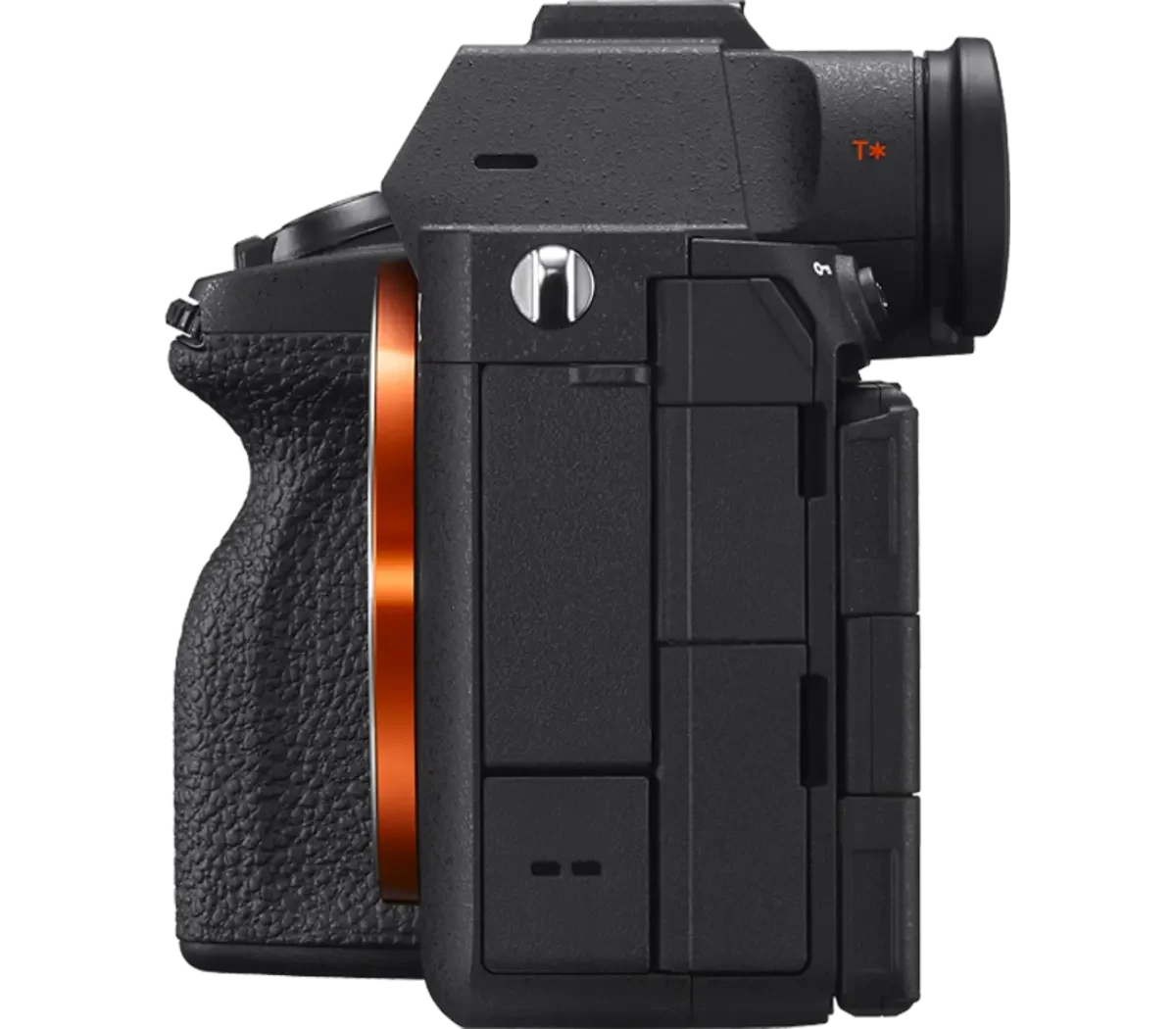
Feature Spec Sensor 33MP Partially Stacked CMOS Processor Bionz XR2 Burst Rate 10fps mech / 30fps e-shutter IBIS 7.5EV (center) AF Coverage 759 points, 94% coverage Video 4K/60p full-width, 4K/120p crop Battery 630 shots (EVF), 750 shots (LCD) Price $2,899 (body only)
Alternatives Worth Considering
Canon EOS R6 III ($2,799) – Slightly better for hybrid shooters with superior video options including 7K recording and internal RAW. AF is excellent, though Sony's subject tracking feels more refined.
Nikon Z6 III ($2099) – My personal recommendation. Exceptional autofocus and 6K video capabilities. More expensive but offers distinctive features Sony users might want.
Panasonic S1 II ($3,199) – Superior video implementation and stabilization. Trade some autofocus sophistication for more traditional video tools.
The Bottom Line
After four years, Sony finally got the A7 V right. It won't convert dedicated Canon or Nikon users, but it's impossible to recommend Sony shooters look elsewhere. For everyone else, the decision between the A7 V, R6 III, and Z6 III comes down to ecosystem, ergonomics, and specific feature priorities. All three are genuinely excellent.
Rating: 9/10
The Sony A7 V is a genuinely well-rounded camera that clears the bar set by competitors and delivers the capabilities Sony users have been waiting for. It's not perfect—video still lacks some professional features—but as an all-around hybrid tool at this price point, it's hard to argue against it.
Images Shared Credited To Sony Electronics
B&H: https://bhpho.to/4owsW0K
Amazon USA: https://amzn.to/4pBYymw
Affiliate Links Above, thanks for your support.