Why Nobody's Talking About the DJI Action 6's Photography Features
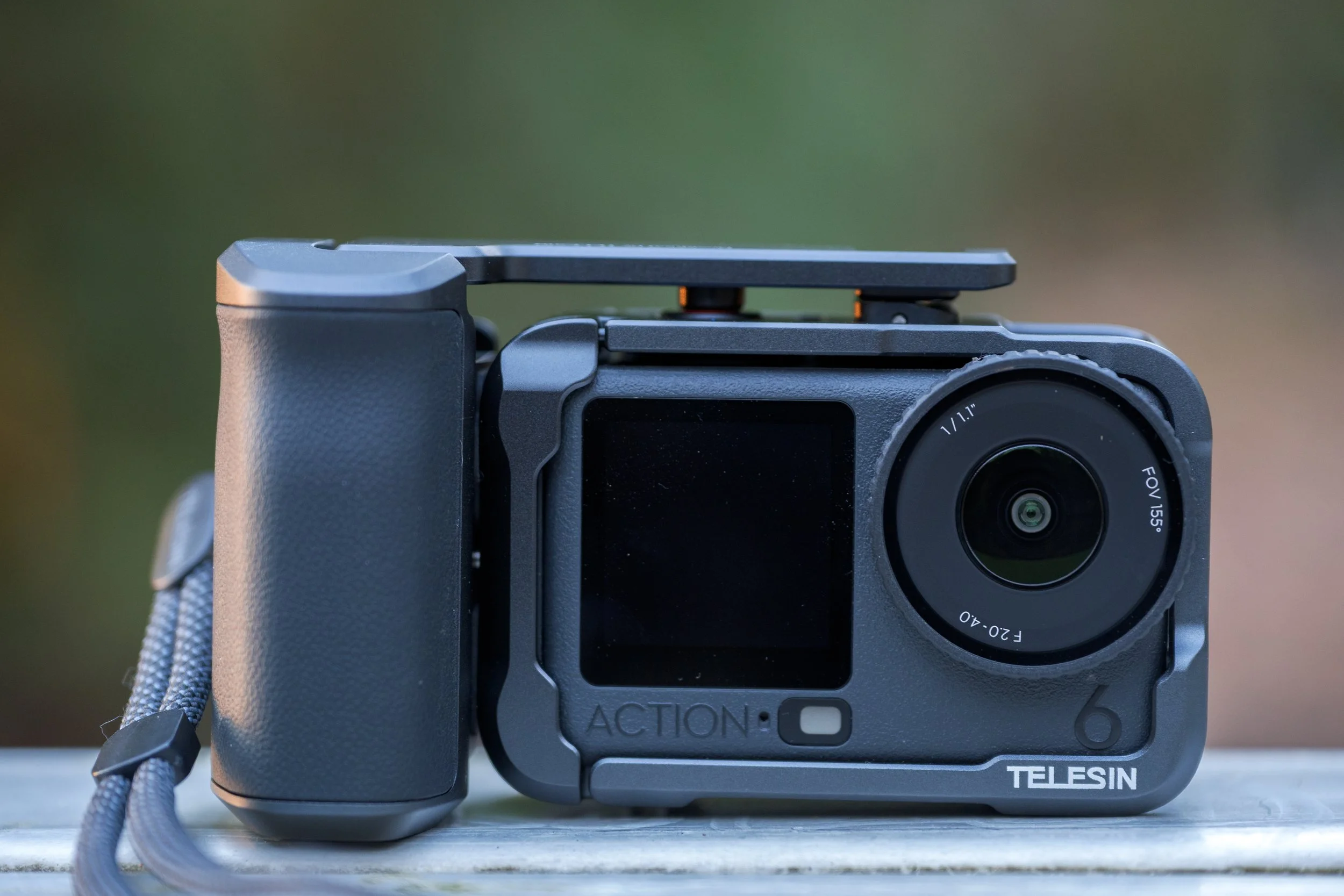
This investigation is based on extensive testing detailed in our full video review. Watch for hands-on testing, aperture comparisons, ISO analysis, and the discovery of DJI's hidden image stacking technology.
The Forgotten Mode
I find it really strange when you turn on the Action 6, navigate to settings, and photography appears first in the menu. Video comes after. Even though it's getting actively sidelined by DJI's marketing strategy, it still comes before the mode that supposedly defines what this camera is.
And yet, not a single major reviewer seems to mention it. Not tech journalists, not DJI enthusiasts. It's positioned right there at the very top of the list. Yet the entire reviewing landscape has somehow overlooked it.
The question becomes: why?
Most Action Cameras Don't Let You Do This
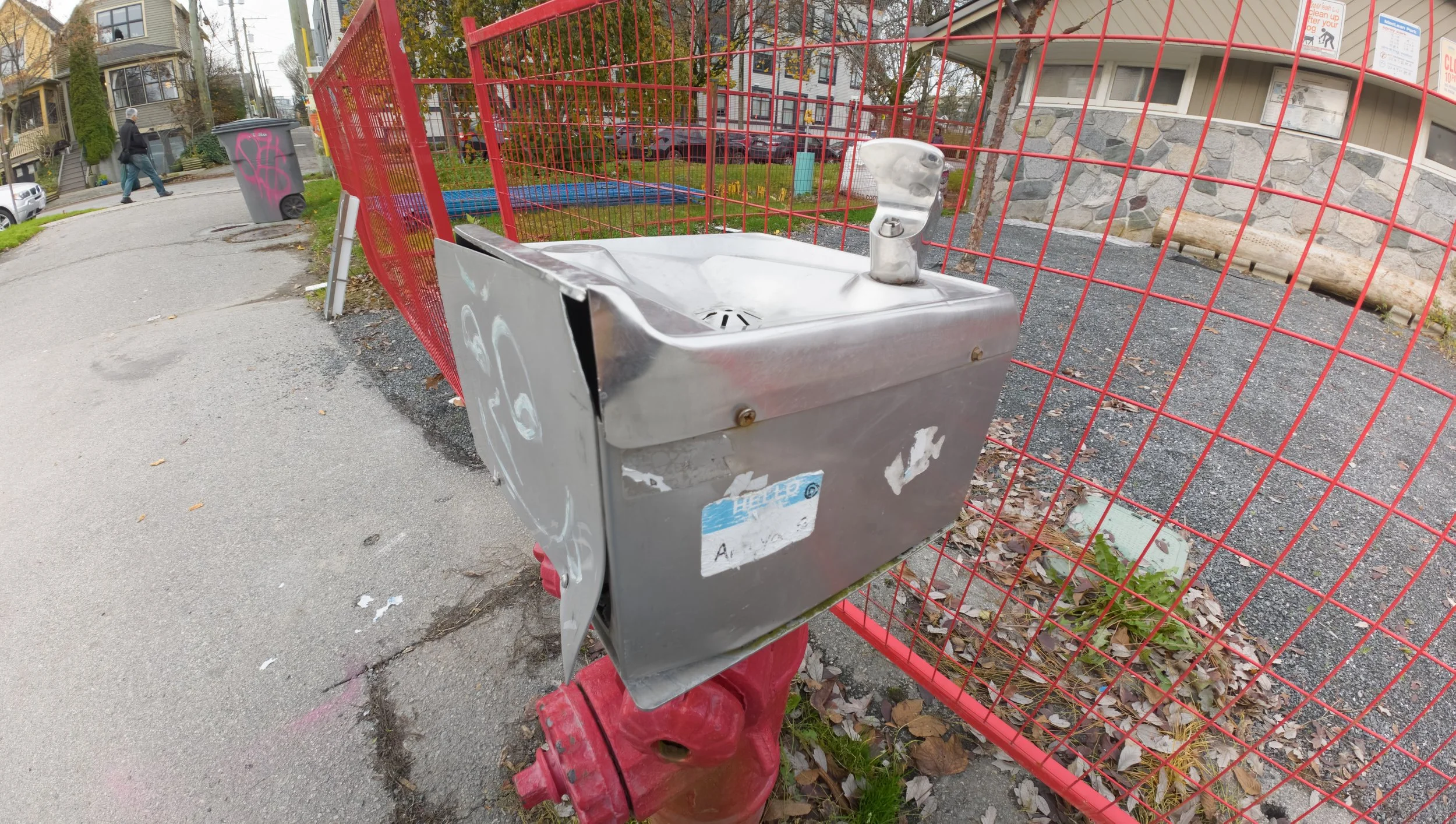
Most action cameras don't even let you think about changing the aperture. The Action 6 hands you that ability. Combined with f/2 up to f/4 for close-up work and low-light gathering capabilities, this shouldn't exist in this form factor. Yet no one is talking about the photo features on the Action 6.
I decided to investigate what's actually going on. What I found raises more questions than answers.
The Hidden Technology
DJI has buried image stacking technology within the raw processing on this camera, but they haven't mentioned it.
The Action 6 with its image stacking in the raw files takes several files and merges them into one. That's how the megapixel count is likely higher than you'd normally expect from an action camera. Your raw files are essentially noise-free at ISO 100 as a result. But don't push it far above that.
Where Image Stacking Falls Apart
Look at an ISO 800 file processed with standard noise reduction in Lightroom and it just breaks the image in unnatural ways. The stacking has already compromised the noise structure on the files, and you get artifacts that shouldn't exist. It can look really awful if you add too much ISO to these images.
Going into the details more closely, occasionally when you look at branches against bright skies, it shows a very unnatural blue tint in the transition zones. Particularly noticeable in high-contrast situations. The stacking algorithm is still clearly being refined, which might actually explain why DJI hasn't promoted this as a photography feature at all. They've nailed the concept, but haven't perfected the execution.
Aperture Range: The Overlooked Feature
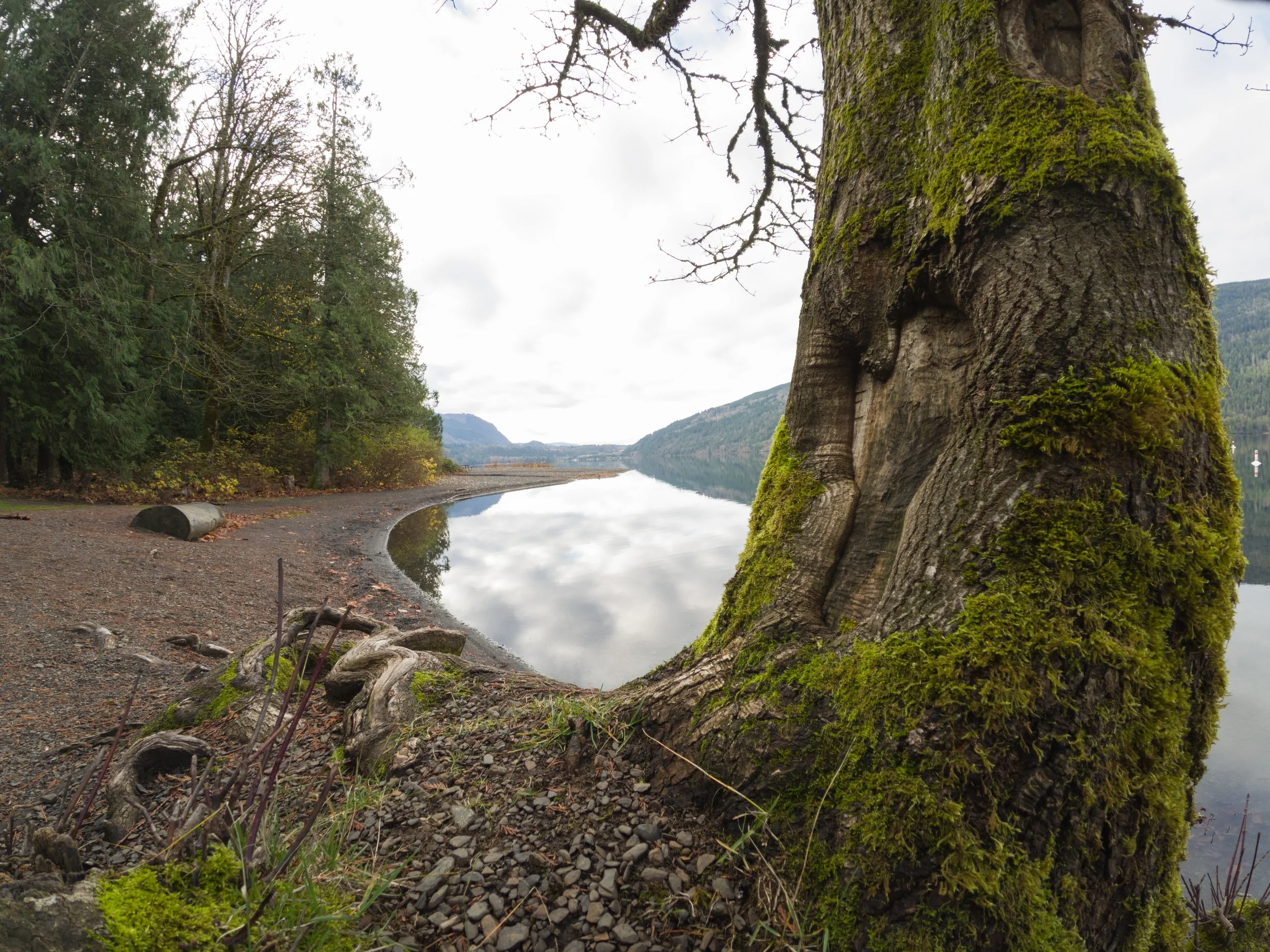
I find it incredible how overlooked the aperture change feature is on this camera. Most everyone's talking about how the camera doesn't look great at f/2, calling it a scam or a gimmick. And I really don't think that's the case. Anyone who understands photography should understand that there's a very noticeable difference when you bump an aperture up in most cameras.
To properly evaluate sharpness, I set up a standard brick wall test. When comparing f/2.6, f/2.8, and f/4 all at ISO 100, the differences become apparent. Zooming into the center, there's maybe a tiny bit of extra sharpness at f/2.8. In the corners, it's a little less noticeable, but there's still a marginal improvement. Looking at f/2.6 versus f/4, the center shows improvement, though it's not a life-changing amount of sharpness difference.
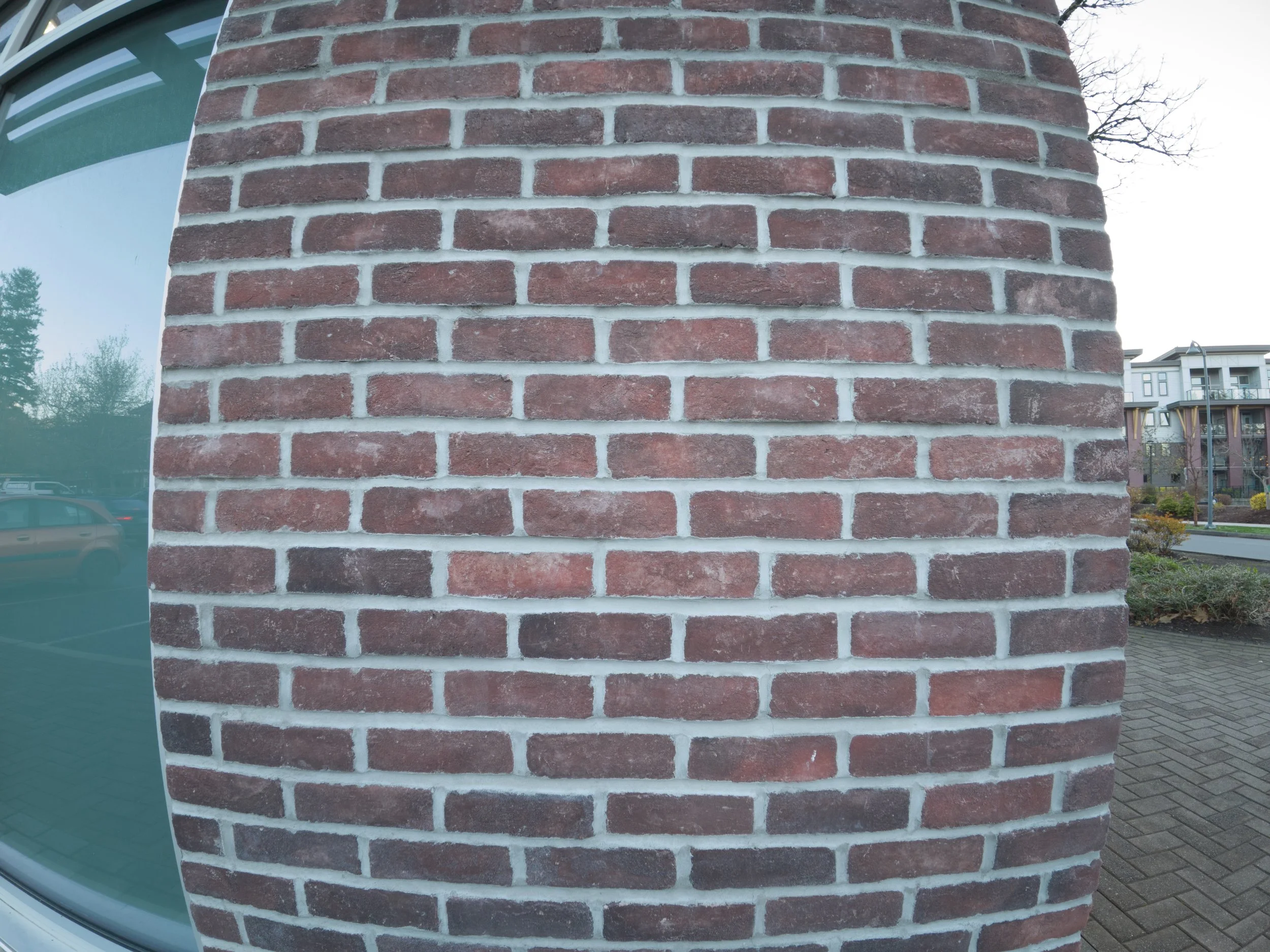
F/2.6 Shot In Standard DeWarp. Raw Images only show up in wide lens mode.
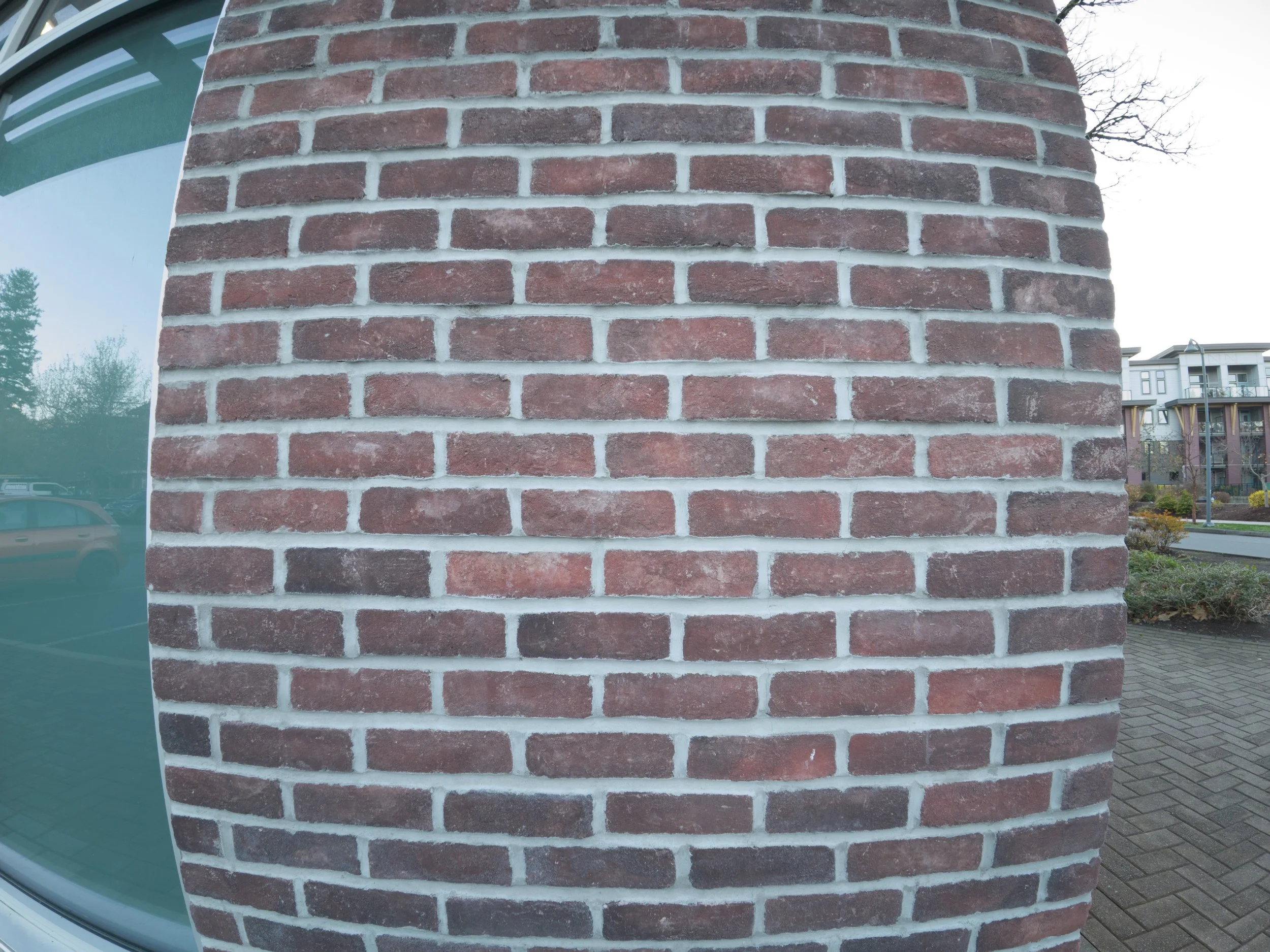
F/2.8 Shot In Standard DeWarp. Raw Images only show up in wide lens mode.
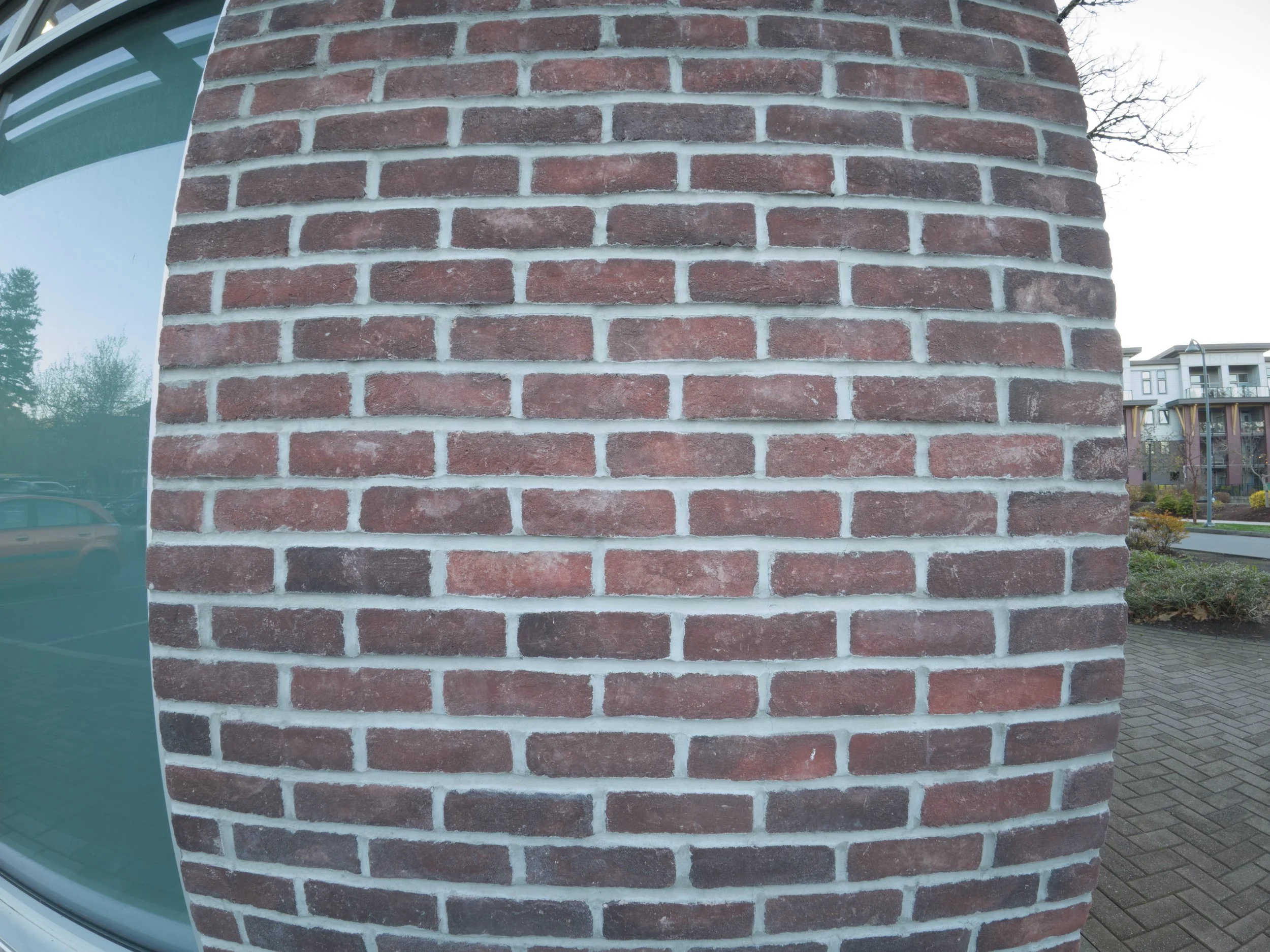
F/4 Shot In Standard DeWarp. Raw Images only show up in wide lens mode.
The real takeaway: aperture adjustments do make a difference, and having that control is genuinely useful. The f/4 setting does show marginal improvements in sharpness and reduces chromatic aberration, but it's not dramatic.
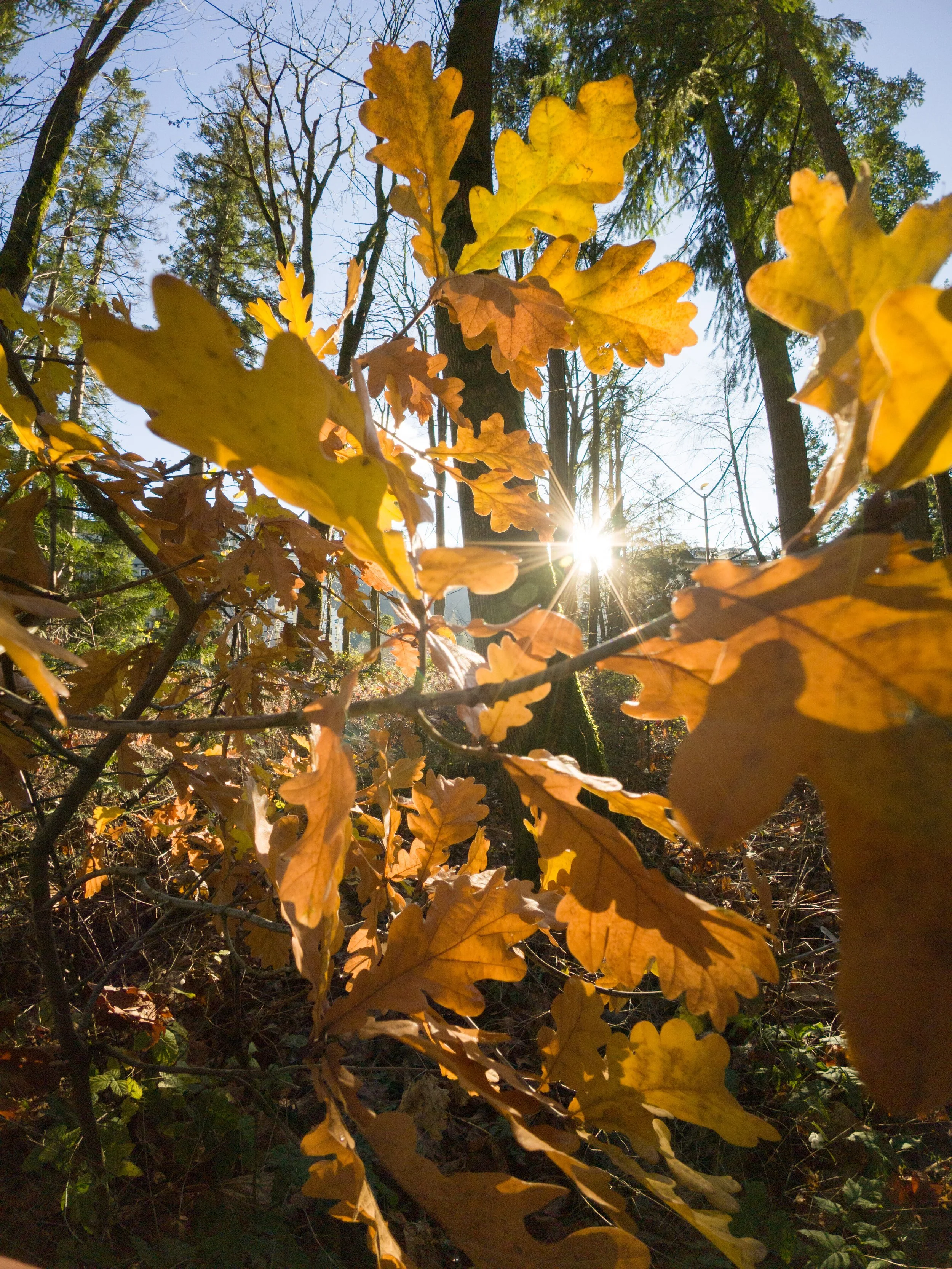
The Dynamic Range Problem
If I had to think of one major issue that plagues this camera, it's its technical limitations. But there's also a more fundamental problem: dynamic range.
The camera is very easy to overexpose when shooting JPEGs or even RAWs. There's not much dynamic range at all. It's to be expected based on the sensor size—it's a very small sensor despite what DJI's marketing says about the "1-inch" sensor. It's much smaller than it actually sounds.
If you are set on using this for photography, definitely underexpose instead of overexposing. There's a very good chance you aren't going to be able to retain any highlight detail if you blow them out. Shadow detail you can recover in post-processing. Highlights are gone forever.
Close Focus and Macro Capabilities
The Action 6 handles remarkably close work. At only 20cm in f/4, it's pretty good for an action camera. With the macro lens attachment, it becomes a genuinely interesting device—more than just a magnification solution.
For the first time in an action camera, you get actual background separation and real bokeh when using the macro lens. If you can handle manual focus, there's no reason not to pick up the macro lens. The image quality improvement compared to shooting without it is substantial and definitely worth the investment.

The Smartphone Reality Check
Here's the honest truth: you're probably better off using your smartphone if you have one that's been made within the last 3 to 4 years. Using an app like the free unpaid portion of the Leica app (don't pay for it—it's far too expensive for what they offer), you can get some pretty decent results with very minimal effort.
But that's not the point.
Why Is DJI Ignoring This?
The main reason I'm frustrated that no one has done proper testing on the Action 6 is because it represents a pretty big step up in terms of overall action camera capabilities. You have the optical improvements plus the innovative raw processing—even if it's imperfect at the current time—that genuinely matter.
But here's the real mystery. Not what the Action 6 can do, but why nobody's bothered to notice that it can do it.
Is it the assumption that action cameras have never been used for serious photography? So we stopped expecting them to be great? Is it marketing blindness from DJI's part, which I really doubt? Or are they just trying to make it disappear from the collective consciousness?
That's the real question. Not the technical capabilities, but the mystery of invisibility.
The Verdict
Obviously, this camera is not perfect. The ISO 800 auto ceiling still frustrates me. I would like to see it much lower—probably 100 to 300 should be the range. The artifacts within that image stacking in high-contrast scenes create a pretty unpleasant look. But this is genuinely a compelling tool for photography—if you know what you're getting into and work within its limitations.
This camera represents a genuine step forward in what an action camera can do for still photography. The question isn't whether the technology is there. It clearly is. The question is why the entire reviewing community has decided, collectively, to ignore it.
Watch the Full Deep-Dive
For aperture comparisons, ISO testing, sharpness analysis, dynamic range evaluation, and macro lens demonstrations, watch the complete video review. Subscribe for more investigations into hidden camera capabilities and gear nobody's talking about.
Where to Get the Action 6 and Accessories
DJI Action 6
Action 6 Macro Lens
AliExpress - Up to 32% OFF (I found this after shooting and grabbed it—$28 cheaper than other retailers. Tip: Use Rakuten for an extra 14% cashback)
Telesin Accessories
Visit the Telesin store and use coupon code DEVONZACHARIAS for 15% off the Street Shot grip, ND filter kits, macro lens, and other Action 6 accessories.
Affiliate links above, thanks for your support!